What is in your bag?


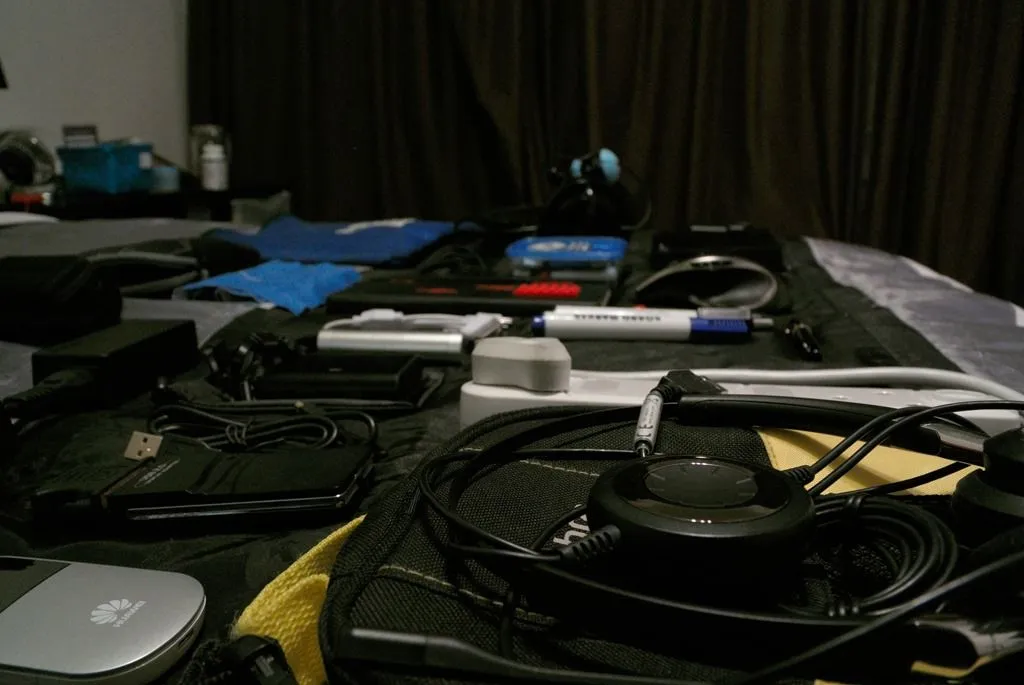 The developers I know who refer to themselves as “craftsmen” will, at length, tell you how methodology, principles and practice are all that matters to becoming a successful developer—tools are not important. Often they say this from behind a MacBook Air, running Visual Studio with ReSharper or some other combination of best-of-breed tooling. None of them code in Notepad, oddly enough.
Everyone really does care about their tools, and I am totally behind the idea that you are more than your tools—but good tools help. That’s why I want to share what’s in my bag and why it’s there.
Daily Driver
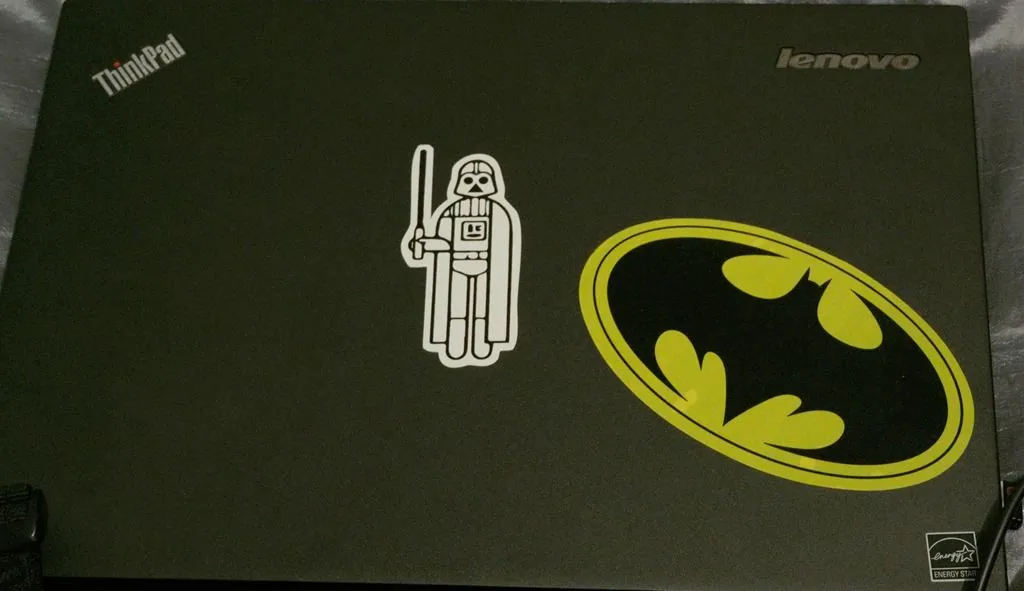
My daily development machine is a Lenovo ThinkPad T440s—it is the best machine I’ve ever worked on. Weight? It’s basically air. It handles app and web development with no issue. Has a backlit keyboard that’s turned off 95% of the time, but in those rare moments of darkness, I can turn it on with a keyboard shortcut. Great performance overall. The touchpad is the best I’ve ever seen, and considering I think touchpads are evil, that says a lot.
One thing that really stands out is the touchscreen—I can’t imagine modern development being done without one. It’s essential for testing web and apps.
Why do I carry it?
Simple: It’s what I use to do my job! 😛 And it gives me a place to put stickers.
Audio Out
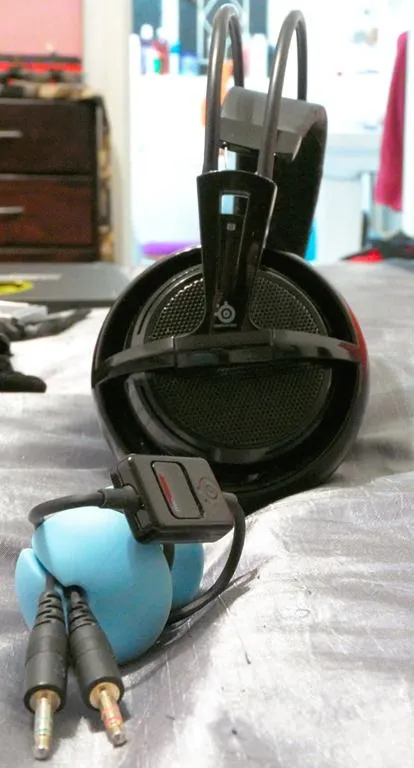
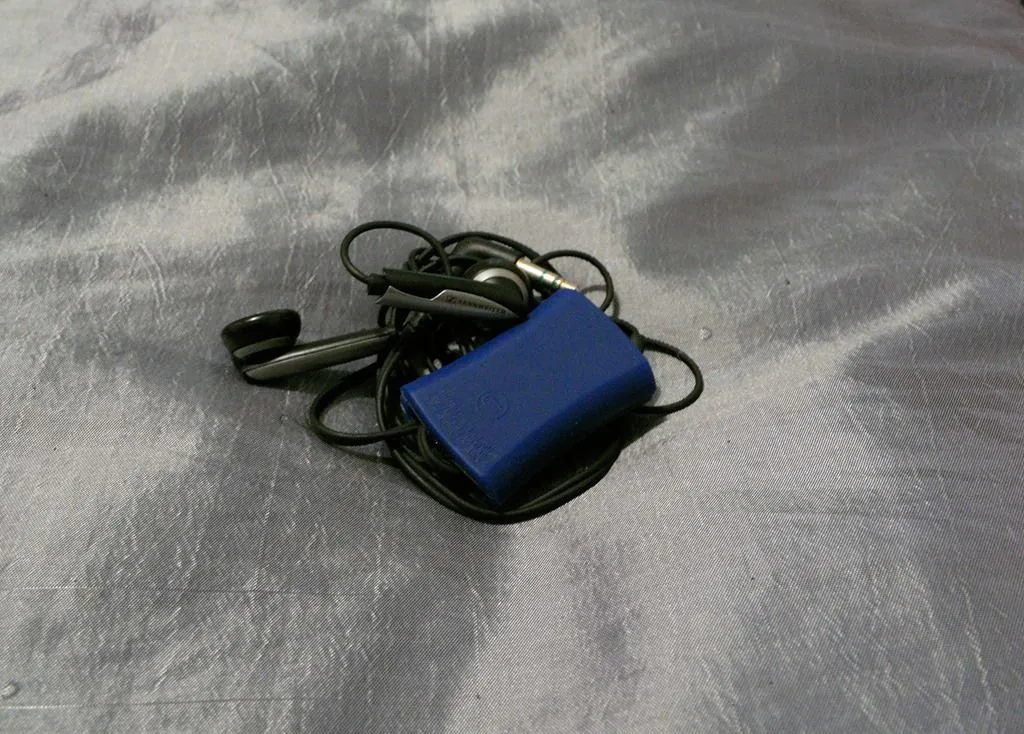
I carry three sets of headphones with me. My primary ones are a set of super-comfy large SteelSeries Siberia V2. They have a built-in mic, which is serviceable, but since the laptop doesn’t have an audio-in jack, there isn’t much use. Thankfully, the mic slides into the headphones, so it’s never in the way. When you have headphones on for hours, comfort wins—and these deliver.
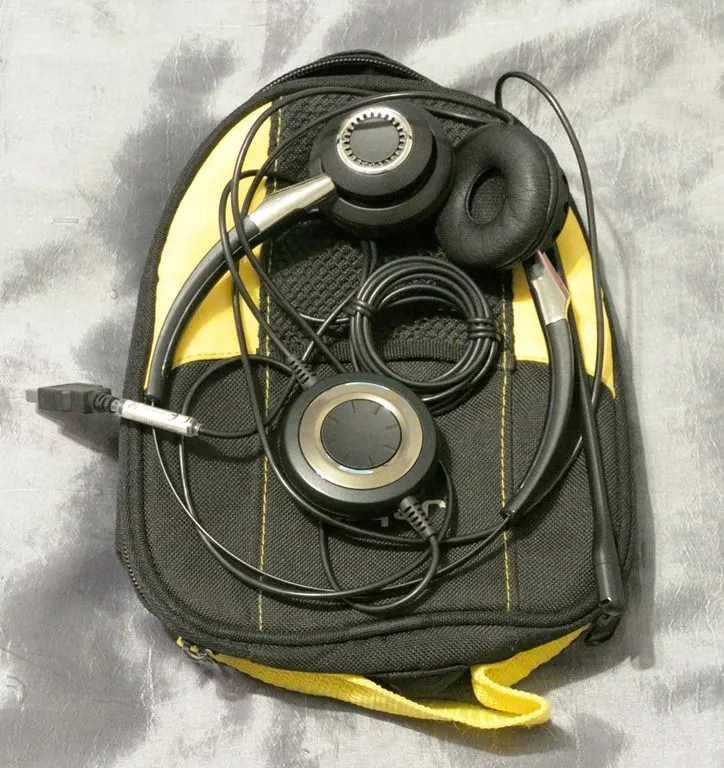
I also carry a company-supplied Jabra headset. This has a USB connection, so the audio input works, plus it’s designed to work with Microsoft Lync—so it has a bunch of cool tricks on the control dial. Not great for comfort or quality, but for a meeting where I want to keep my hands on the keyboard, it’s okay.
Last is my tiny Sennheiser—these don’t get used often as they’re the backup.
Both my sets have something to wrap the cables with—the big ones using the fantastic Apple Core which I got at JSinSA.
Why do I carry it?
You need to focus, and having music or podcasts will help. It also means less disturbance to your coworkers.
The issue with large headphones I use at home and work is that I might leave them at home, then be stuck with no audio the next day—so the small Sennheiser runs as a backup for me. This means they seldom leave the bag, but having a small, high-quality backup has come in handy many times.
Audio In
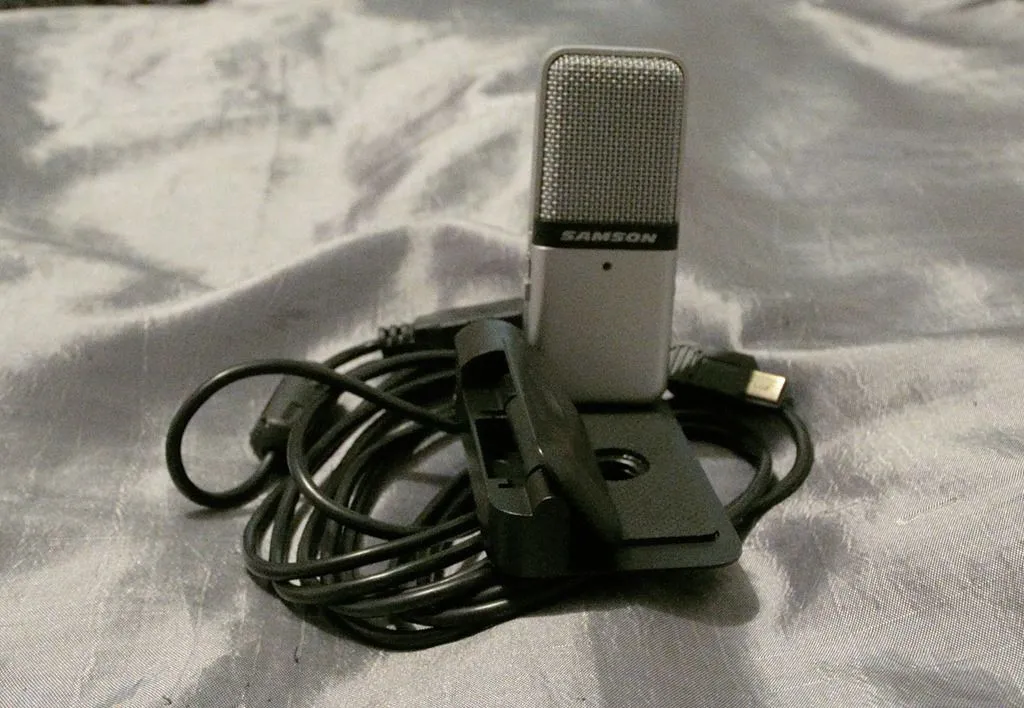
I have a small Samson GoMic that connects via USB. The audio quality is okay. Considering it’s a sub-R900 (~$90) mic, it’s pretty good for that price range and a million times better than the laptop’s built-in offering. It has three nice features:
A clip/stand/base. In the picture, it’s standing on its base, which folds flat. It can also attach to the top of the laptop screen via the clip, as the mic is on a ball joint and swivels to almost any direction (check the link—they demo this well).
A side switch, which toggles between front-facing mode and an omnidirectional mic. The omnidirectional setting is great for daily standups where the team and client aren’t together—it captures more audio.
A stupidly long cable, which we often pass around during standups and easily handles the length of our boardroom table.
Why do I carry it?
Meetings—whether a standup or more formal—require something to capture audio. For a modern developer, this is essential.
Storage
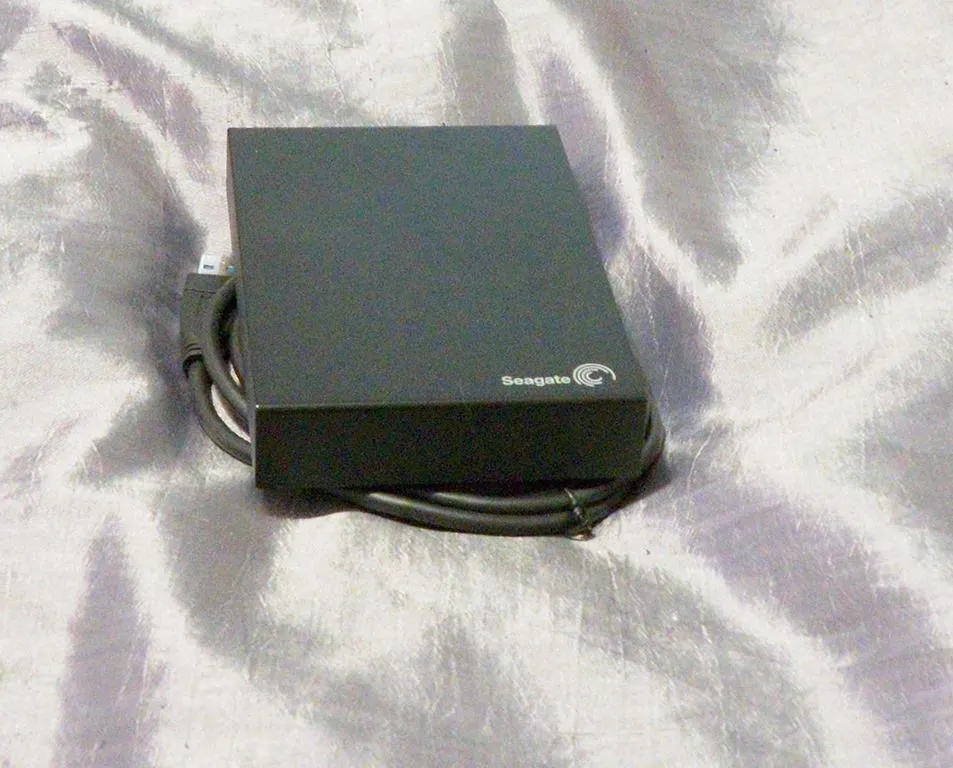
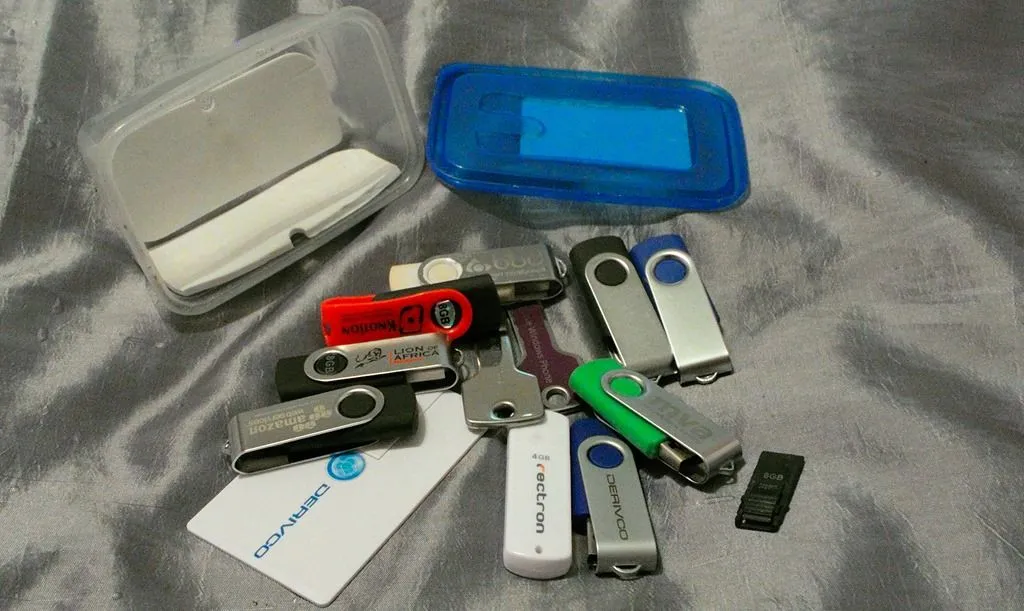
Nothing too fancy here. A large Seagate hard drive, mostly for backups. I also have a tiny plastic box containing a lot of USB sticks. Since I switched to carrying them in a box, I lose fewer of them—now I have the problem of having too many (if that’s even possible).
Why do I carry it?
You will lose data. Have backups—simple as that.
The USB sticks are great for sharing files, and if they break or get lost, there’s no issue.
Mouse
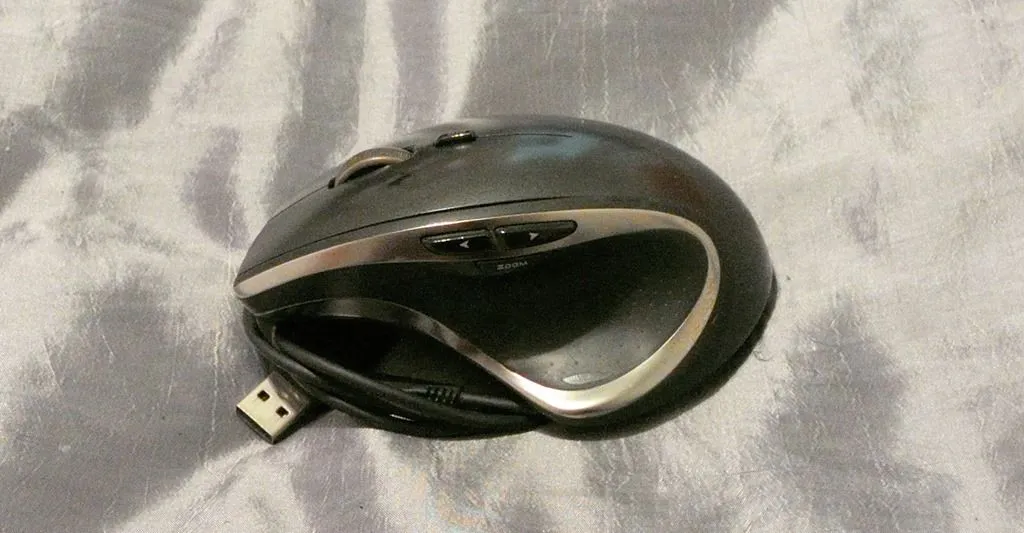
I’ve written about my mouse before (and it’s the exact same mouse—it’s 6 years old now), and I still stand by that: the Logitech Performance Mouse MX is the best mouse you can get, and you owe it to your hands to be happy.
Why do I carry it?
Touchpads and touchscreens can’t beat the performance of a real mouse.
Bags
My laptop bag is a Targus Novice II Backpack (it’s not exactly that bag, but it’s close). The bag isn’t anything special, but Targus as a company is. With my last Targus bag, the zip broke (from squeezing too much in), and all they asked for was a photo and the service tag removed. They stand by their bags and back that belief. That interaction alone has made me a very loyal customer.
I also have some smaller bags worth mentioning:
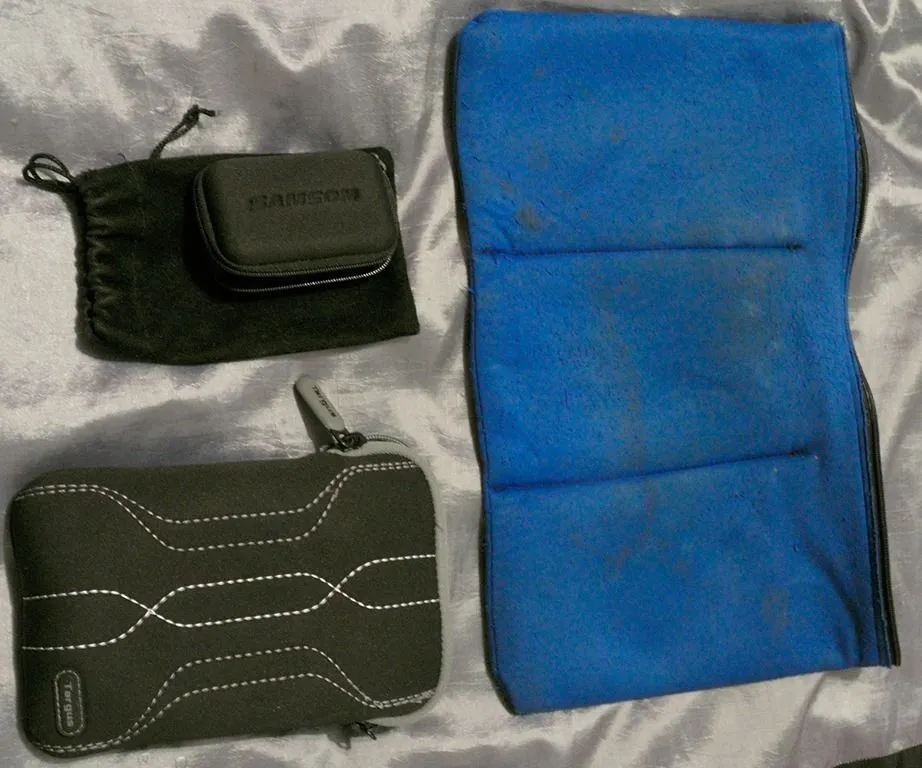
- A Targus hard drive bag—nice and padded. It fits the hard drive, its USB cable, and my small headphones easily.
- The hard shell case that came with the Samson mic. It’s great but had no space for the cable (a stupid oversight). Thankfully, my last Samson mic came with a bag, so now the cable and mic/shell go in that bag.
- My SUPER DIRTY organizer, which has three pouches. It stores my laptop charger and mouse in an easily accessible bag (I can pull it out of my laptop bag without looking) and doubles as a handy mouse pad—which is why it’s so filthy.
Why do I carry it?
Ignoring the laptop bag and its obvious use, the hard drive bag and mic bag keep devices safe—especially since they’re carried to and from the office daily and on many trips. The organizer is just brilliant; I can’t imagine not having it. Being able to set up quickly because I’m not digging in my bag for my power cable is a game-changer.
Writing
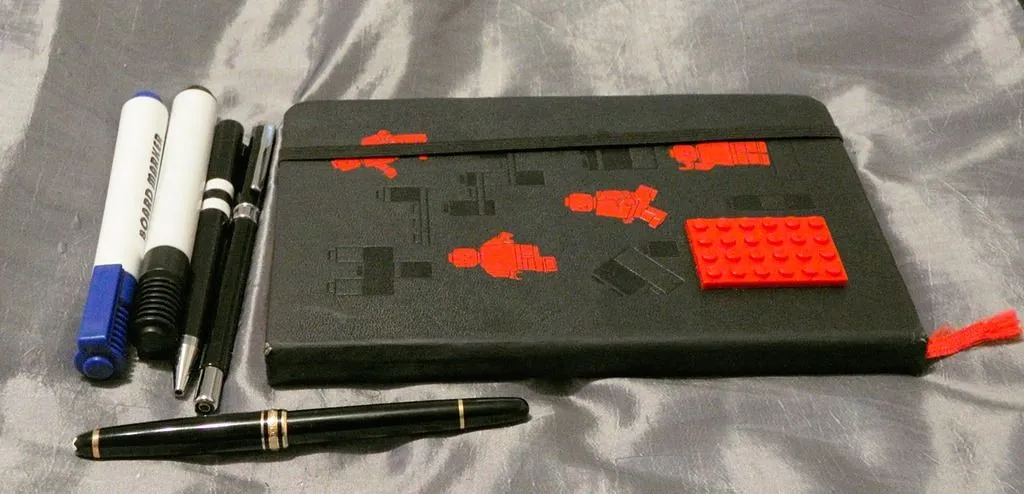
To take notes, I use a Lego Moleskine—it’s awesome, the best paper I’ve ever seen. I carry a few pens with me and, of course, a few whiteboard markers.
Why do I carry it?
I take a lot of notes—every single meeting. I seldom read them. The reason to take them is twofold:
- It helps me remember better by combining listening with an active action, reinforcing ideas in my brain more than just consuming them (doing is better than listening).
- It gives me confidence that, if something is forgotten, I can find it.
Always carry your own whiteboard markers—meeting rooms often don’t have them.
Odds and Ends
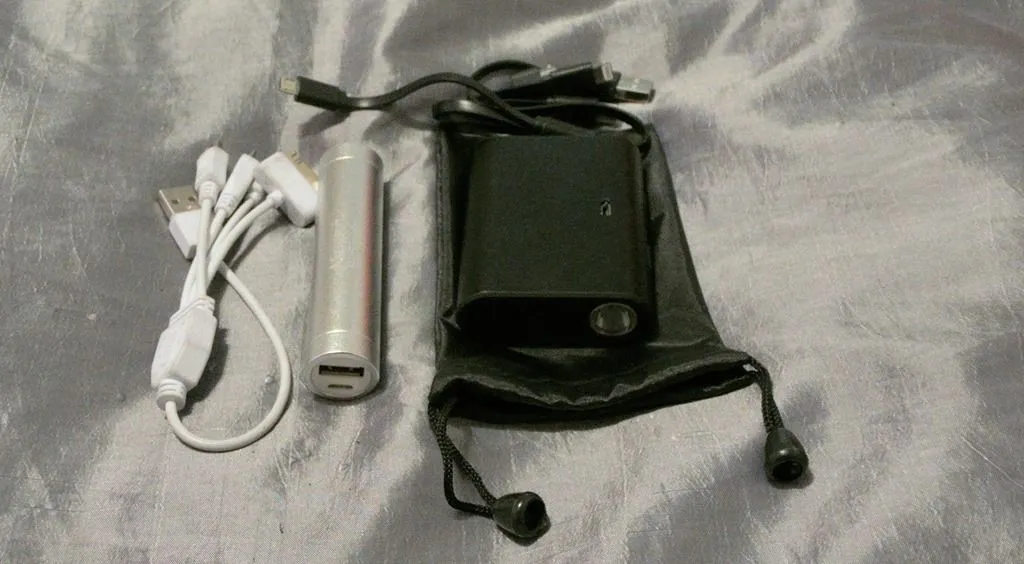
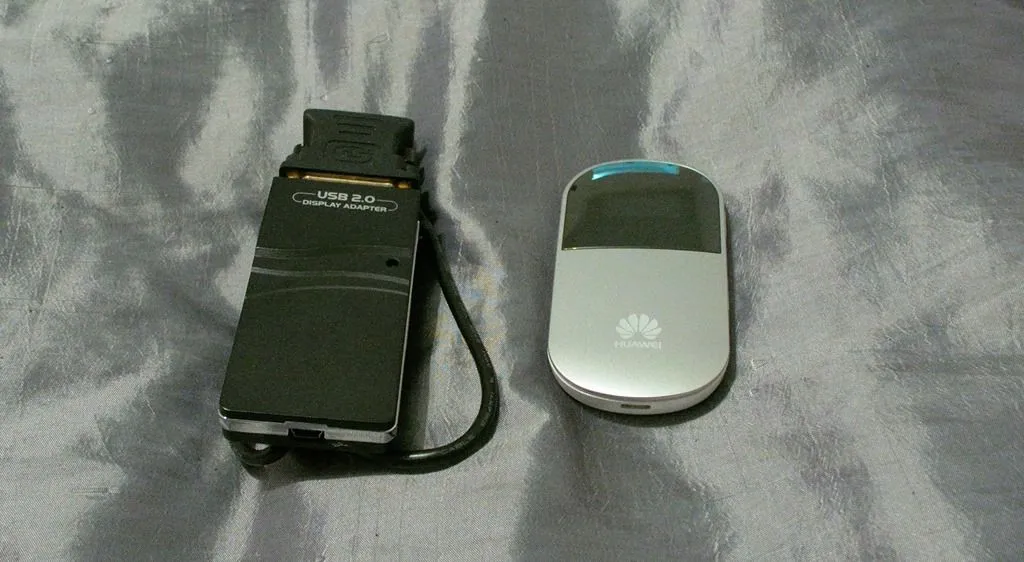
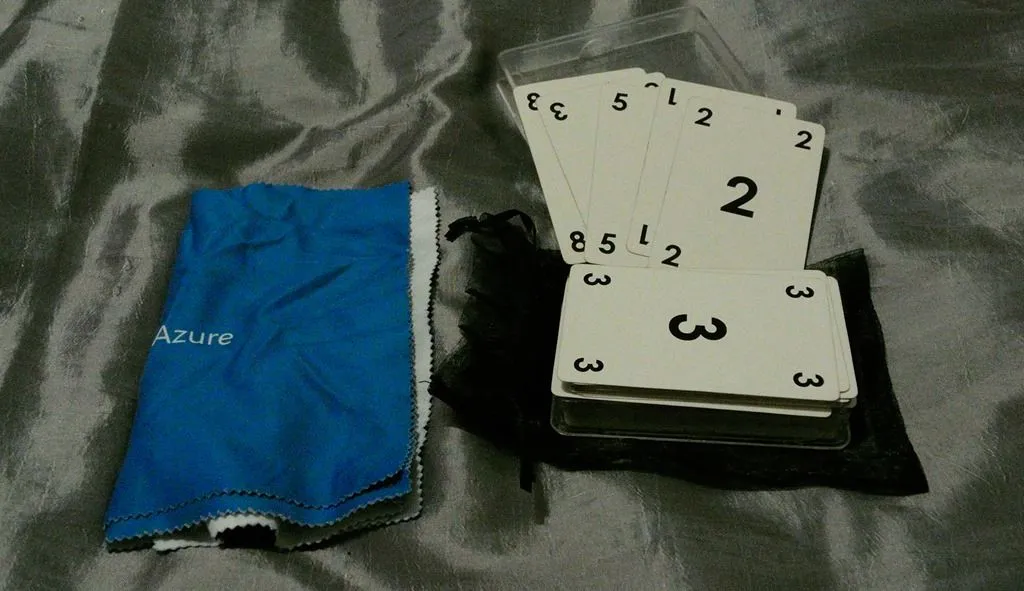
I carry a few odd things in my bag too:
- A couple of microfiber cloths and a deck of planning poker cards.
- A MiFi device and a USB graphics card. The graphics card lets me output to USB and has connectors for different screen types.
- A few battery packs.
Why do I carry it?
The microfiber cloths are for the touchscreen.
The reason to carry planning poker cards is that we use them all the time in my teams—I have enough for 6 or 7 people, so it covers a team well.
The MiFi is legacy—before my phone had a Wi-Fi hotspot, it did that job. It’s still useful for creating a small Wi-Fi network if the main network fails.
The USB graphics card handles cases where projectors refuse to work with my laptop or if I need an extra output (e.g., video recording on one, projector on the other).
Battery packs? Eskom.
Power Strip
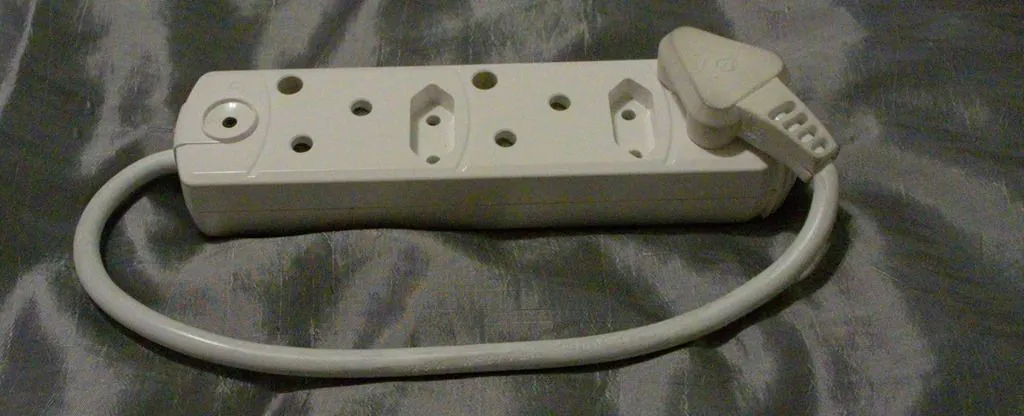
The best thing I’ve added to my bag in the last 12 months is a power strip.
Why do I carry it?
Plugs can be scarce, and this covers me and two more people, plus space for two-prong plugs like cellphone chargers. When traveling overseas, I buy one plug converter, slap this in, and everything is easy to set up—no more plugging my cellphone into my laptop to charge. It’s so useful; I wonder why I didn’t carry one before.
What’s Missing?
What’s missing in my bag? At the moment, I think there are a few items missing:
- A network cable: I’m tired of either missing cables or damaged clips.
- A stylus: Drawing is more important than ever for a developer, and a good one would help improve it.
What’s in my bag? Is there anything you think I’m missing? Let me know in the comments!